
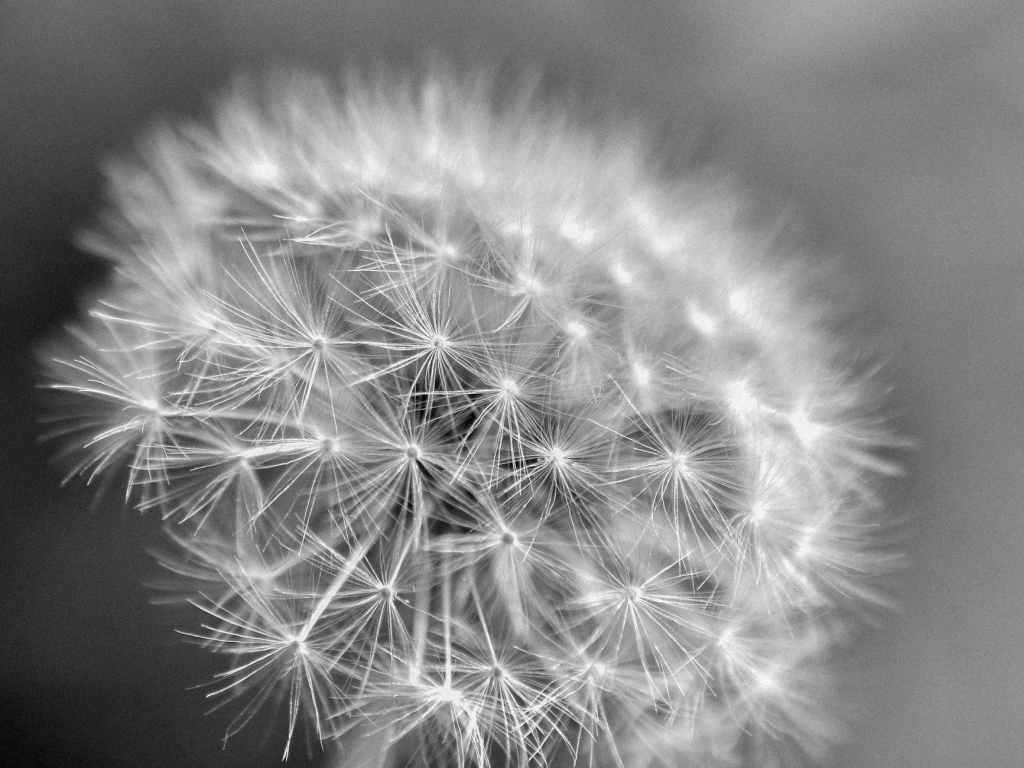
“How can one believe that when a human being dies a thing in itself has come to nothing? Mankind knows, directly and intuitively, that when this happens it is only a phenomenon coming to an end in time, the form of all phenomena, without the thing in itself being affected thereby. We all feel that we are something other than a being which someone once created out of nothing: from this arises the confidence that, while death may be able to end our life, it cannot end our existence.” 1
Arthur Schopenhauer
How can we believe that when a person dies, the essence of one’s being simply ceases to exist?
Arthur Schopenhauer posited that humanity instinctively recognizes death as the cessation of a temporal phenomenon rather than the annihilation of an underlying reality. We sense an essence beyond our created selves, which leads us to believe that while death may end life, it cannot terminate existence itself.
He metaphorically compared the will to a strong blind man carrying the intellect—a sighted yet weaker individual. 2 He believed that we tend to associate our identity with our intellect, thereby viewing death as a termination without acknowledging the deeper existence underlying our being, just as we tend to see fleeting life forms in nature yet miss persisting life from which varied life expressions emanate.
For Schopenhauer, the intellect was merely a function of the brain, whereas the will remained constant. He observed this constancy even in the tiniest creatures, noting that while intellect diminishes across the animal hierarchy, the will remains consistent, exhibiting attachment to life, self-interest, and emotions.
He highlighted that the will is complete even in the smallest insect, while motives differ—driven by the intellect bound to the bodily organism, which is inherently limited and imperfect.
Schopenhauer’s contemplation extended beyond mortality. He differentiated between the transient, confined by time and space and prone to imperfection and destruction, and the permanent—a transcendental, eternal, and indestructible aspect resonating with Plato’s definition of the good. 3 This enduring reality, the world of will, embodies the ‘thing in itself,’ the noumenal world as per Kant.
In his philosophy, the will constitutes the inner, true, and indestructible nature of humans, being the tireless cause behind the manifestation of every facet of Nature. He proposed that while the intellect’s nature, rooted in the bodily organism, ceases at death, the will, our eternal essence, persists, preparing for another embodiment of physical existence.
Jay
Note:
1.
On the Indestructibility of Our Essential Being by Death, from Essays and Aphorisms, Penguin Classic, 1970
This book is a translation by R. J. Hollingdale, 1970, of Parerga and Paralipomena – a selection from Schopenhauer’s last writings: the collection of essays, aphorisms, and thoughts to which he gave the name Parerga and Paralipomena, published in 1851.
2.
Chapter XIX.30 On The Primacy Of The Will In Self-Consciousness, from The World As Will And Idea, Vol 2. (1819)
This book is a translation by R. B. Haldane, M.A. and J. Kemp, M.A., published by Kegan Paul, Trench, Trübner & Co., in 1909.
3.
The Myth of Er, Part XI: The Immortality of the Soul and the Rewards of Goodness, The Republic. Translated by Desmond Lee, Penguin Books, 2007.

 INSPYRA